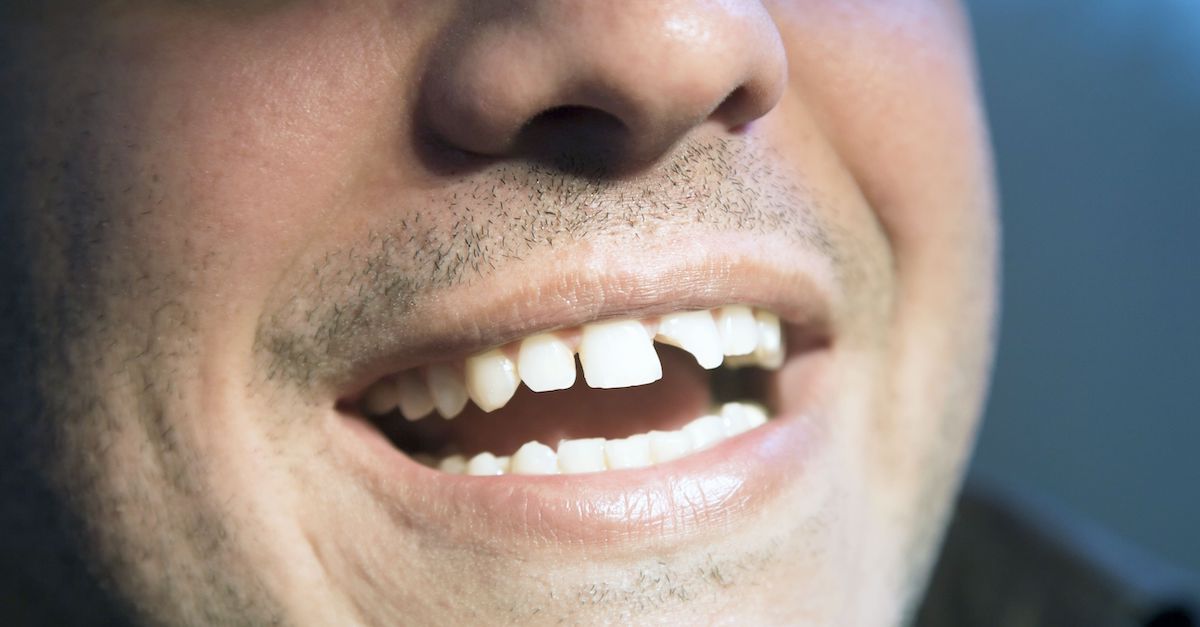
Missing teeth can make it harder to chew, speak clearly, and smile with confidence. Modern dental treatments offer reliable ways to replace missing teeth and restore your smile.
High-quality dental bridges in Langley can fill the gap left by missing teeth and create a natural-looking result. A dental bridge uses nearby teeth for support to keep the restoration secure and stable.
Learning how dental bridges work can help you better understand this common tooth replacement option.
How Dental Bridges Work
A dental bridge is a fixed prosthetic that relies on structural support from the healthy teeth on either side of an empty space.
Understanding how this system distributes biting forces helps highlight why it remains a premier choice for oral rehabilitation.
- Anchor Teeth Preparation – The natural teeth on both sides of the gap are gently reshaped to serve as solid supports for the appliance.
- The Pontic Placement – A custom-crafted porcelain replacement tooth, known as a pontic, sits directly in the center to fill the empty space.
- Securing the Crowns – The outer caps of the bridge are cemented permanently onto your prepared anchor teeth to lock the prosthetic in place.
- Bite Alignment Verification – The prosthetic is carefully adjusted to match the natural movement of your jaw, so your bite feels completely even.
Comparing the Main Variations of Bridge Designs
| Bridge Type | Structural Design | Best Clinical Location | Main Benefit |
| Traditional Bridge | Two crowns anchoring a fake tooth in the middle | Back molars subject to heavy chewing forces | Offers maximum stability and durability |
| Cantilever Bridge | A single crown anchoring a fake tooth on one side | Front teeth where only one side has an anchor | Preserves more natural tooth structure |
| Maryland Bridge | A fake tooth held by a thin metal or ceramic framework | Front teeth that do not face heavy chewing stress | Requires minimal reshaping of adjacent enamel |
Key Benefits of Rebuilding a Fragmented Bite Line
- Restores Natural Chewing Force – Filling the gap allows you to grind up fruits and tough proteins cleanly without favoring one side.
- Prevents Tooth Shifting – Locking a prosthetic into the empty space stops neighboring teeth from slowly tilting or drifting out of alignment.
- Maintains Facial Contours – Providing structural support inside your cheek prevents the sunken appearance that often follows tooth loss.
- Improves Speech Clarity – Closing open spaces prevents air from escaping, helping eliminate slurs or lisps when pronouncing certain words.
- Consulting a Professional – Finding a skilled dentist near you is the first step in evaluating which bridge style best fits your unique anatomy.
The Step-by-Step Restoration Journey
The process of receiving a custom prosthetic requires a couple of visits to ensure a precise, comfortable fit that matches your natural smile.
- Initial Clinical Mapping – The team captures highly detailed physical or digital impressions of your mouth to map your exact bite coordinates.
- Temporary Bridge Protection – A lightweight temporary prosthetic is bonded in place to protect your prepared enamel while the lab creates your final piece.
- Permanent Lab Fabrication – Specialized technicians use durable, shade-matched ceramics to sculpt a replacement tooth that looks completely real.
- Final Bonding Session – The temporary piece is removed, and the final porcelain bridge is cemented into place with medical-grade adhesive.
- Local Maintenance Support – Partnering with an experienced dentist near Brookswood ensures your custom appliance is checked regularly during routine exams.
Essential Care Tips to Ensure Longevity
- Clean Beneath the Artificial Tooth – Use a specialized threader or an interdental brush to remove trapped food from the space under the pontic.
- Brush the Crown Margins – Pay close attention to the areas where the porcelain caps meet your natural gums to prevent decay on anchor teeth.
- Skip Extra-Hard Candies – Avoid biting down directly on solid ice cubes, hard candies, or nuts to prevent the porcelain from chipping.
- Maintain Bi-Annual Checkups – Visit your dental clinic twice a year so the team can monitor the structural seals of your prosthetic.
Reclaim Your Confident, Healthy, and Complete Smile
Replacing missing teeth early is the most effective way to safeguard your remaining bite line and avoid complex oral health issues down the road.
At Novacare Dental, our dedicated and experienced team utilizes precise, modern materials to design custom bridges that look natural and perform flawlessly.
We are committed to providing a calm, supportive, and modern clinical environment where your long-term comfort and health goals are always prioritized.
You deserve a beautiful, functional smile that allows you to eat your favorite foods and speak with total peace of mind. Call our clinic right now to schedule your restoration consultation, reach out today, and let us help you get started!
FAQs
How long does a dental bridge last?
A dental bridge can usually last between 5 and 15 years. Good brushing, flossing, and regular dental visits can help it last even longer.
Will getting a dental bridge hurt?
No. The dentist uses local anesthesia to numb the area during treatment, so the procedure is usually comfortable. Some mild sensitivity may happen for a few days afterward.
Can dental implants support a dental bridge?
Yes. A bridge can be attached to dental implants instead of natural teeth when several teeth are missing in a row. This option provides strong support and helps protect healthy teeth in the area.
Is it hard to clean around a dental bridge?
Brushing is the same as normal, but flossing under the bridge takes a little extra care. A floss threader or water flosser can help keep the area clean and healthy.